
7 Game-Changing Benefits of AI Analytics for Business (2026)
In today’s fast-paced digital economy, data is the new currency, but raw data alone holds little value without the ability to interpret it. For finance teams and business leaders, understanding the benefits of AI analytics is crucial as the sheer volume of information becomes overwhelming. This is where artificial intelligence steps in. The benefits of AI analytics go far beyond simple reporting; they transform how organizations predict trends, manage risks, and automate tedious workflows. If you are looking to turn your document overload into a competitive advantage, understanding these key benefits is your first step.
Table of Contents
- 1. Benefits of AI Analytics in Real-Time Processing
- 2. Predictive Insights for Strategic Planning
- 3. Enhanced Operational Efficiency
- 4. Improved Risk Management & Compliance
- 5. Customer Personalization at Scale
- 6. Cost Reduction Through Automation
- 7. Eliminating Human Bias in Decision Making
Quick Summary: Key Benefits of AI Analytics
| Benefit | Impact on Business |
|---|---|
| Real-Time Processing | Instant decision-making capabilities rather than waiting for end-of-month reports. |
| Predictive Modeling | Ability to forecast market trends and cash flow issues before they happen. |
| Operational Efficiency | Automating manual data entry frees up staff for high-value strategic tasks. |
| Risk Mitigation | AI detects anomalies and fraud patterns faster than any human auditor. |
1. Benefits of AI Analytics in Real-Time Processing
One of the most immediate benefits of AI analytics is the capability to process massive datasets in real-time. Traditional methods often involve batch processing, meaning insights are days or weeks old by the time they reach the boardroom. AI algorithms can ingest streams of data from invoices, market feeds, and internal logs instantly.
This speed allows finance teams to react to market changes immediately. Instead of analyzing last quarter’s performance, businesses can pivot strategies based on live data, ensuring they stay ahead of competitors who are still relying on static spreadsheets.
Traditional Analytics vs. AI Analytics: The Difference
| Feature | Traditional Analytics | AI-Powered Analytics |
|---|---|---|
| Speed | Historical (Batch processing) | Real-Time (Instant insights) |
| Focus | What happened? (Descriptive) | What will happen? (Predictive) |
| Data Handling | Structured data only (Excel/SQL) | Unstructured data (PDFs, Images, Text) |
| Human Effort | High (Manual data entry) | Low (Automated extraction) |
2. Predictive Insights for Strategic Planning
Descriptive analytics tells you what happened; AI-driven predictive analytics tells you what will happen. By analyzing historical data patterns, AI models can forecast future outcomes with remarkable accuracy. This is a game-changer for budgeting and supply chain management.

For example, AI can predict cash flow gaps based on seasonal invoice payment behaviors or forecast inventory shortages before they disrupt production. These insights empower leaders to be proactive rather than reactive.
Pro Tip: Combine your predictive models with external economic data to sharpen your financial forecasts further.
3. Enhanced Operational Efficiency
Operational bottlenecks often stem from manual data handling. Whether it’s typing data from PDF invoices into Excel or manually reconciling bank statements, these tasks drain productivity. AI analytics tools integrated with platforms like ParserData automate the extraction and structuring of this data.
By automating the “grunt work,” employees can focus on analysis and strategy. Using robust data automation platforms allows you to shift resources from data entry to high-value tasks, significantly increasing operational throughput without adding headcount.
To unlock AI analytics, you need structured data first. See how this full automation workflow makes it happen 👇

4. Improved Risk Management & Compliance
In highly regulated industries like finance and law, compliance is non-negotiable. Implementing an automated legal document workflow ensures that your AI analytics engine scans 100% of transactions for anomalies, outliers, or non-compliant clauses that a human reviewer might miss.
This automated vigilance reduces the risk of fines and fraud. For instance, AI can flag duplicate invoices or payments to unauthorized vendors instantly, securing your financial perimeter.
5. Customer Personalization at Scale
While often associated with marketing, personalization is equally vital in B2B finance and services. AI analytics can segment clients based on payment behaviors, service usage, and communication preferences. This allows account managers to tailor their approach offering early payment discounts to specific segments or proactive support to others.
Understanding your customer through data leads to higher retention rates and increased lifetime value (LTV).
Pro Tip: Use AI analytics not just for sales, but for collections. Segment customers by payment reliability to offer flexible terms to loyal payers while automating reminders for high-risk accounts.
6. Cost Reduction Through Automation
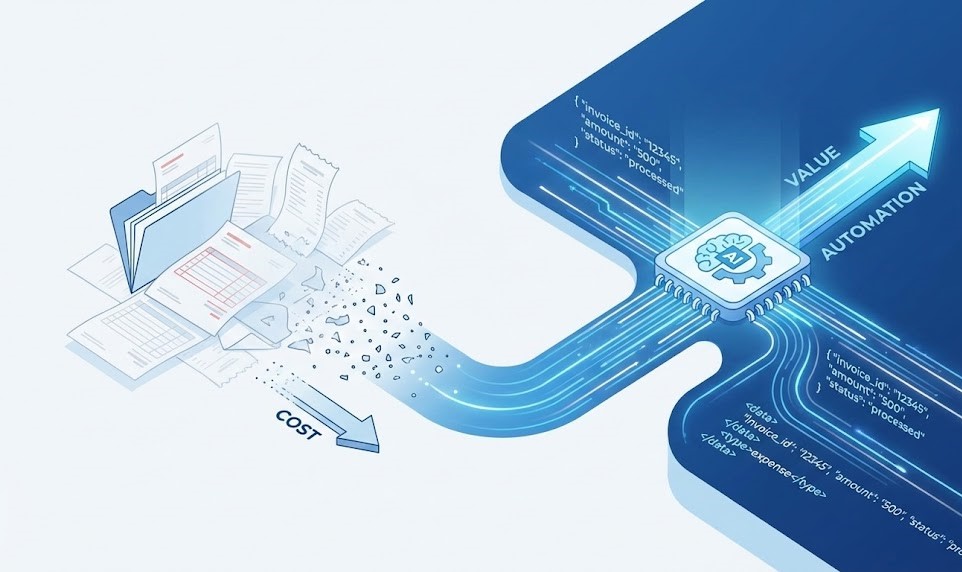
Implementing AI analytics leads to direct cost savings. By reducing manual errors (which can be costly to fix) and speeding up processing times, the cost per transaction drops significantly. Furthermore, AI helps optimize resource allocation, ensuring that budget is spent where it generates the highest ROI.
Companies that leverage these tools often see a reduction in operational costs by up to 30% within the first year of implementation.
Pro Tip: To measure true ROI, calculate your “Cost Per Transaction” (CPT) before implementation and track it monthly. AI projects typically lower CPT by 40-60% within the first quarter.
7. Eliminating Human Bias in Decision Making
Human decision-making is inherently biased, often relying on gut feeling or limited recent experiences (“recency bias“). AI analytics provides an objective, data-backed foundation for decisions. While humans are still needed to interpret the context, AI ensures that the baseline information is comprehensive and unbiased.
This leads to more rational investment decisions, fairer hiring practices, and more accurate risk assessments.
Unlock the Benefits of AI Analytics with ParserData
To realize the full benefits of AI analytics, you first need clean, structured data. Most valuable business insights are locked away in unstructured formats like PDF invoices, contracts, and scanned receipts. This is where the bottleneck happens.
ParserData bridges this gap. Our AI-powered platform automates the extraction of data from your documents, converting them into structured formats (Excel, JSON, XML) ready for your analytics tools. By automating the data entry phase, you ensure your analytics engine is fed with accurate, real-time information.
Don’t let data silos hold back your growth. Experience how seamless data extraction can supercharge your analytics capabilities. Visit ParserData to start your free trial and transform your document workflow today.
Frequently Asked Questions
What are the main benefits of AI analytics for small businesses?
The main benefits include automated data processing, cost reduction through efficiency, and the ability to uncover hidden trends in customer behavior without needing a large data science team.
How does AI analytics improve risk management?
AI analytics improves risk management by processing vast amounts of historical data to predict potential fraud, compliance breaches, or market downturns in real-time, allowing proactive mitigation.
Is AI analytics difficult to implement?
Modern AI analytics tools, like ParserData, are designed to be user-friendly and often no-code, making implementation straightforward even for teams without deep technical expertise.
Recommended
- Data Automation Platforms Comparison: Top 4 Picks (2026)
- Master Legal Document Automation Workflow for Compliance
- Automate Document Processing in Finance: 5 Key Benefits
- 6 Powerful Steps for Automating Data Extraction
Disclaimer: All comparisons in this article are based on publicly available information and our own product research as of the date of publication. Features, pricing, and capabilities may change over time.