
7 Effective Ways Automated Extraction Transforms Invoice Management
In the era of digital finance, automated extraction is the best way to transform your invoice management. Imagine your team dedicating hours to input data from invoices and receipts into financial systems.
If you’re a founder, CFO, or data engineer, you know the headache caused by manual data entry during invoice management. Statistics show that it can take an employee 10 minutes to manually process just one invoice, leading to errors and frustration. Now, envision that same process being accomplished in mere seconds with automated extraction powered by AI. The Impact Of AI On The Future Of FinanceThe transition from manual entry to an automated invoice processing system not only saves time but also reduces the potential for errors significantly, leading to happier teams and better resource allocation.
The real challenge with invoice management
Invoice management can be tedious, especially when organizations rely heavily on manual entry processes. According to a survey, over 70% of finance professionals report that data entry errors from manual processes consume significant time and resources to rectify. These errors lead to delayed payments, strained supplier relationships, and can even affect cash flow. Furthermore, as teams scale, the number of invoices processed grows exponentially, creating a backlog and frustrating employees who could be contributing to more strategic initiatives instead of administrative tasks.
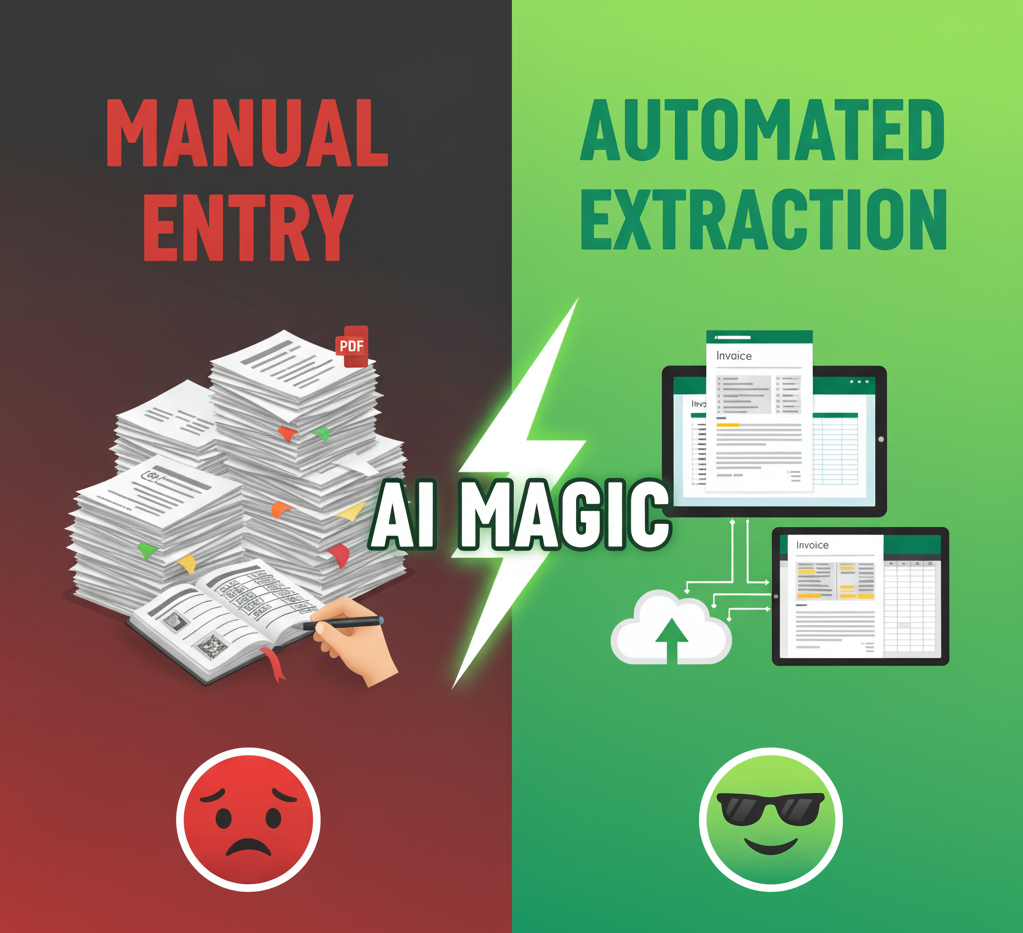
Manual vs. automated approach
Before (Manual):
- Manual input takes an average of 10 minutes per invoice, leading to inefficiencies.
- Human errors complicate financial reporting, affecting data accuracy.
- Teams become frustrated with repetitive tasks, leading to lower morale.
- It limits the ability to focus on strategic planning due to tedious workloads.
After (Automated):
- Automated extraction processes an invoice in about 30 seconds, significantly speeding up workflows.
- Elimination of manual entry drastically reduces errors, improving data accuracy.
- Employees can redirect efforts towards strategic tasks, enhancing overall productivity.
- Teams experience increased satisfaction and engagement as mundane tasks are minimized.
How Automated Extraction Works in Practice
The implementation of automated invoice processing involves a systematic approach:
- Step 1: Capture invoices digitally using scanners or mobile applications.
- Step 2: Utilize AI algorithms to identify and extract relevant data fields such as vendor name, invoice number, and amount.
- Step 3: Validate extracted data against pre-defined criteria to ensure accuracy.
- Step 4: Integrate the validated data into the financial system seamlessly.
- Step 5: Enable automatic notifications for discrepancies or required approvals.
- Step 6: Generate reports for analytics and performance tracking to streamline future processes.
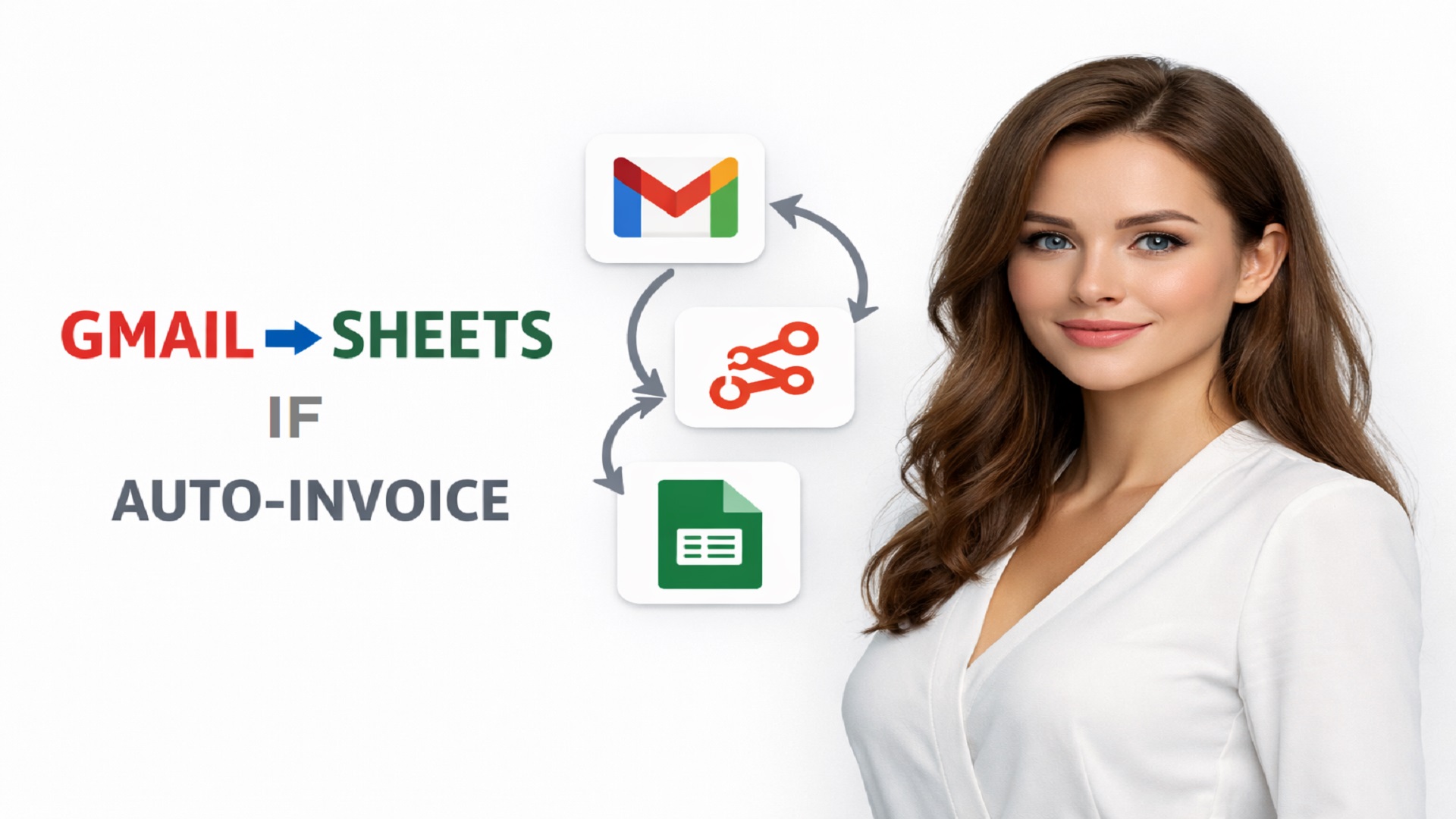
The most effective way? Catching invoices right at the source. Watch this Gmail automation tutorial 👇
Common mistakes to avoid
- Overlooking the importance of onboarding and training employees on new systems.
- Failing to set up adequate data validation processes to maintain data integrity.
- Neglecting to engage stakeholders in the transition to ensure smooth implementation.
- Rushing the automation rollout without proper testing and adjustments.
- Ignoring feedback from users about their experience with the new automated systems.
Best practices
- Implement a pilot program to assess the effectiveness before a full rollout.
- Regularly review and update automation systems to accommodate new invoice types.
- Train employees thoroughly on the use of automated tools and the overall workflow.
- Utilize cloud solutions for scalability and flexibility in document processing.
- Encourage open communication channels for ongoing feedback and improvements.
The visual comparison illustrates how manual entry processes are fraught with potential errors and inefficiencies, whereas automated extraction provides a clear, streamlined approach that facilitates faster and more accurate processing.
Organizations looking for intelligent document processing solutions can significantly streamline their workflows by adopting automated methods.
Q: How does automated invoice processing improve data accuracy?
A: Automated systems leverage AI to reduce human errors, ensuring data accuracy through real-time validation and consistency checks.
Q: What are the cost implications of manual vs automated invoice processing?
A: Although automated solutions may require initial investment, they result in long-term savings by reducing labor costs and minimizing errors.
Q: Can small businesses benefit from automated extraction?
A: Absolutely! Small businesses can improve workflow efficiency, reduce costs, and free up valuable time with automated invoice processing.
Q: Is integration with existing systems possible?
A: Automated extraction tools can usually integrate seamlessly with current ERP or accounting software, making adoption simpler.
Disclaimer: All comparisons in this article are based on publicly available information and our own product research as of the date of publication. Features, pricing, and capabilities may change over time.