Master Legal Document Automation Workflow for Compliance (2026)
Slow manual document reviews often leave compliance vulnerabilities unnoticed, especially under the pressure of complex international regulations. For data analysts in multinational financial institutions, implementing legal document automation means shifting from reactive error correction to proactive, real-time risk identification. This approach offers actionable steps for upgrading compliance processes, harnessing intelligent platforms, and maximizing accuracy while reducing manual workload.
Table of Contents
- Step 1: Assess Legal Document Requirements
- Step 2: Configure Parserdata for Legal Document Automation
- Step 3: Integrate Automation with Compliance Tools
- Step 4: Test and Validate Document Extraction
- Step 5: Monitor and Optimize Workflow Performance
Quick Summary
| Key Point | Explanation |
|---|---|
| 1. Assess Compliance Requirements | Systematically review regulatory standards to identify essential documentation needs for your organization. |
| 2. Automate Document Processing | Configure the Parserdata platform to streamline data extraction with minimal manual intervention for increased efficiency. |
| 3. Integrate with Compliance Tools | Combine automation with compliance systems to enhance monitoring and risk management capabilities seamlessly. |
| 4. Validate Data Extraction | Implement testing protocols to ensure AI captures accurate information and meets compliance standards effectively. |
| 5. Optimize Workflow Performance | Continuously monitor and refine your processes to improve efficiency and reduce human errors in document handling. |
Step 1: Assess Legal Document Requirements
Assessing legal document requirements forms the foundation of effective compliance management. Your goal is to systematically review and understand the specific regulatory standards that apply to your organization’s documentation workflow.
Start by analyzing compliance program frameworks established by authoritative bodies. This means identifying key regulatory guidelines relevant to your industry, such as those outlined by government agencies. Pay close attention to seven critical elements: written policies, leadership oversight, employee training protocols, communication strategies, enforcement standards, risk assessment procedures, and response mechanisms for potential violations.
Your assessment should involve a comprehensive review of existing documentation processes. Break down each document type into specific compliance criteria. Examine how current workflows capture essential legal requirements and where potential gaps might exist. Look for indicators like consistent formatting, accurate record-keeping, proper authorization signatures, and alignment with industry regulations. Consider creating a detailed checklist that maps out specific compliance benchmarks for each document category.
Pro Tip: Develop a dynamic compliance tracking spreadsheet that allows real time monitoring of legal document requirements across different organizational departments.
Step 2: Configure Parserdata for Legal Document Automation
Configuring the Parserdata platform for legal document automation transforms your document processing workflow into a streamlined intelligent system. Your objective is to set up precise parsing mechanisms that extract and structure critical information with minimal manual intervention.
Begin by understanding how to create custom parsing configurations using the platform’s interpreter modes. This involves defining lexer and parser grammar objects that specify exactly how your documents should be processed. Think of these configurations like intelligent blueprints that tell the system how to recognize and extract specific data elements from different document types. You will need to map out the unique characteristics of each document category identifying key fields like dates signatures financial figures and other critical information points.

Next focus on implementing your custom configurations within the platform. Upload your document templates and use the built in tools to train the system on your specific requirements. This means teaching the AI how to recognize patterns consistent formatting and critical data markers unique to your organization. Pay special attention to areas like data validation rules authorization checks and compliance standards that ensure every extracted piece of information meets your regulatory requirements.
Pro Tip: Create a comprehensive test dataset with multiple document variations to validate your parsing configuration and ensure robust accuracy across different scenarios.
Step 3: Integrate Automation with Compliance Tools
Integrating automation with compliance tools is crucial for transforming your organization’s risk management and regulatory oversight capabilities. Your primary goal is to create a seamless workflow that leverages artificial intelligence to monitor and validate legal document processes automatically.
Start by analyzing corporate compliance program technologies that enable real time risk identification. This involves mapping out your existing compliance infrastructure and identifying specific points where automated tools can enhance monitoring efficiency. Look for opportunities to implement AI driven systems that can continuously analyze large volumes of documentation checking for potential regulatory violations or inconsistencies without manual intervention. The key is to design an integration strategy that allows your automation platform to communicate effectively with existing compliance management systems ensuring comprehensive coverage and minimal operational disruption.
Implement your integration by connecting the Parserdata platform with specialized compliance tracking tools. Configure automated alert mechanisms that trigger notifications when documents deviate from predefined regulatory standards. This means establishing precise rule sets that define acceptable document parameters legal requirements and validation criteria. Focus on creating a dynamic system that not only captures potential compliance issues but also provides actionable insights that enable your team to address risks proactively.
Pro Tip: Develop a comprehensive mapping document that clearly outlines how each automated compliance tool connects and communicates with your existing technological ecosystem.
Step 4: Test and Validate Document Extraction
Testing and validating document extraction is a critical phase that ensures the accuracy and reliability of your automated legal document automation system. Your objective is to rigorously verify that the AI extraction tools capture precise information while maintaining the highest standards of compliance and data integrity.
Begin by implementing systematic document review techniques that comprehensively evaluate extraction performance. This involves creating a diverse test dataset representing multiple document types legal formats and complexity levels. Develop a structured testing approach that measures extraction accuracy through key performance indicators such as precision recall and F1 scores. Pay special attention to how well your system identifies and extracts critical data points including legal entities semantic relationships and structured information unique to your organizational requirements.
Establish a multi tier validation process that combines automated testing with human oversight. Configure your system to generate detailed extraction reports that highlight potential discrepancies or anomalies. Implement random sampling techniques to cross verify machine extracted data against original source documents. This means creating a robust validation workflow that not only checks for technical accuracy but also ensures compliance with regulatory standards and maintains the contextual integrity of legal documents.
Pro Tip: Create a standardized validation scorecard that tracks extraction performance metrics across different document types and provides a clear benchmark for continuous improvement.
Step 5: Monitor and Optimize Workflow Performance
Monitoring performance is essential for maintaining an effective legal document automation workflow. Your primary objective is to develop a continuous improvement framework that proactively identifies potential bottlenecks and enhances overall operational performance.
Begin by implementing comprehensive compliance monitoring strategies that leverage advanced data analytics. This requires establishing key performance indicators that track critical metrics such as extraction accuracy processing speed error rates and compliance adherence. Configure your system to generate real time performance reports that provide granular insights into workflow efficiency. Utilize machine learning algorithms to identify patterns and anomalies that might indicate potential process improvements or systemic challenges within your document automation pipeline.
Develop a structured approach to performance optimization that combines quantitative analysis with strategic interventions. Create a feedback loop that allows continuous refinement of your automation workflows. This means regularly reviewing performance metrics conducting periodic system audits and implementing targeted improvements based on empirical data. Pay special attention to areas where manual intervention is still required and develop strategies to progressively reduce human touchpoints while maintaining high standards of accuracy and compliance.
Pro Tip: Establish a quarterly performance review process that includes cross functional teams to ensure holistic evaluation and collaborative optimization of your document automation workflow.
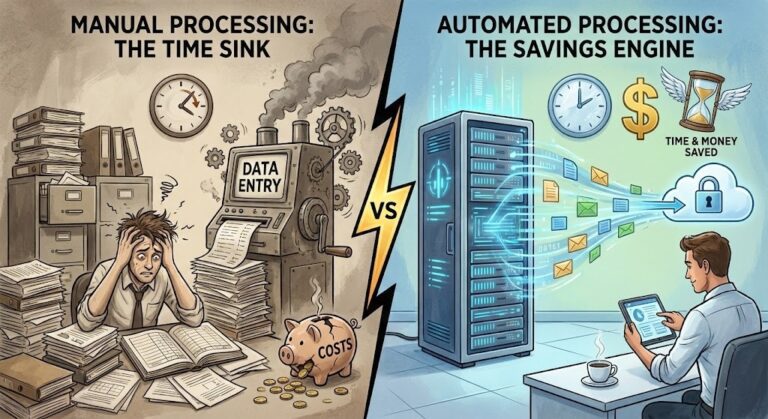
Compare manual versus automated legal document processing approaches below:
| Factor | Manual Processing | Automated Workflow |
|---|---|---|
| Speed | Slow and labor intensive | Fast, real-time handling |
| Error Risk | High, human dependent | Lower, consistent parsing |
| Compliance | Prone to oversight | Continuously monitored |
| Scalability | Limited by team size | Easily scales with demand |
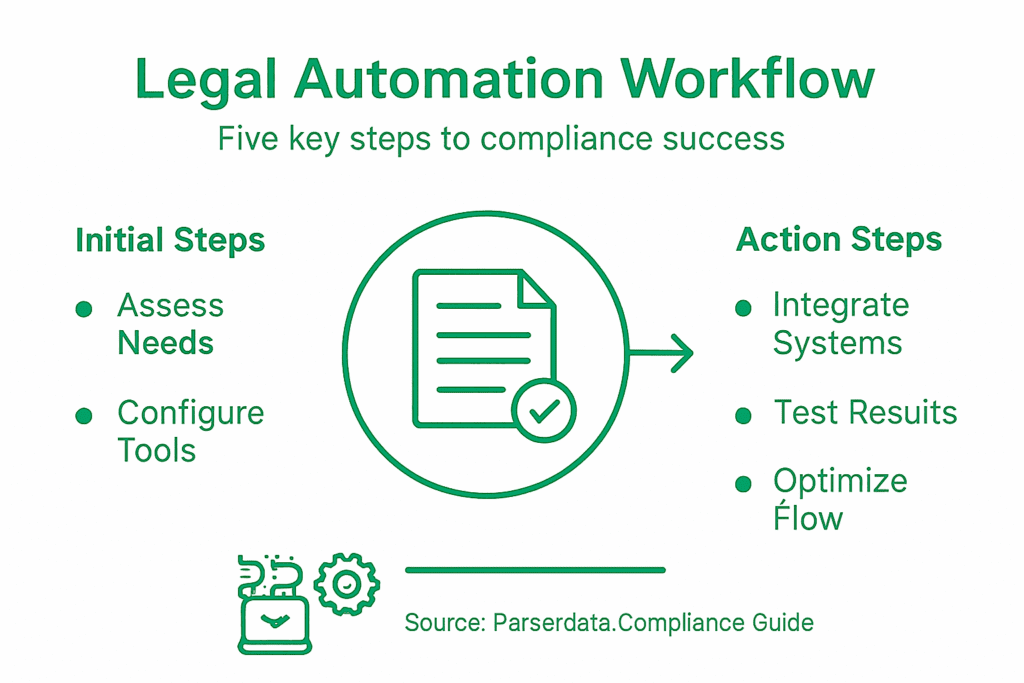
Here’s a summary of key compliance automation steps and their primary business benefits:
| Step | Main Activity | Core Benefit |
|---|---|---|
| Assess Requirements | Analyze regulatory standards | Minimize legal risk |
| Configure Automation | Develop custom parsing setups | Increase data accuracy |
| Integrate Tools | Link with compliance systems | Automate risk monitoring |
| Test Extraction | Validate AI document parsing | Ensure compliance integrity |
| Optimize Workflow | Track and refine processes | Boost efficiency and reliability |
Unlock Seamless Compliance with Parserdata Legal Document Automation
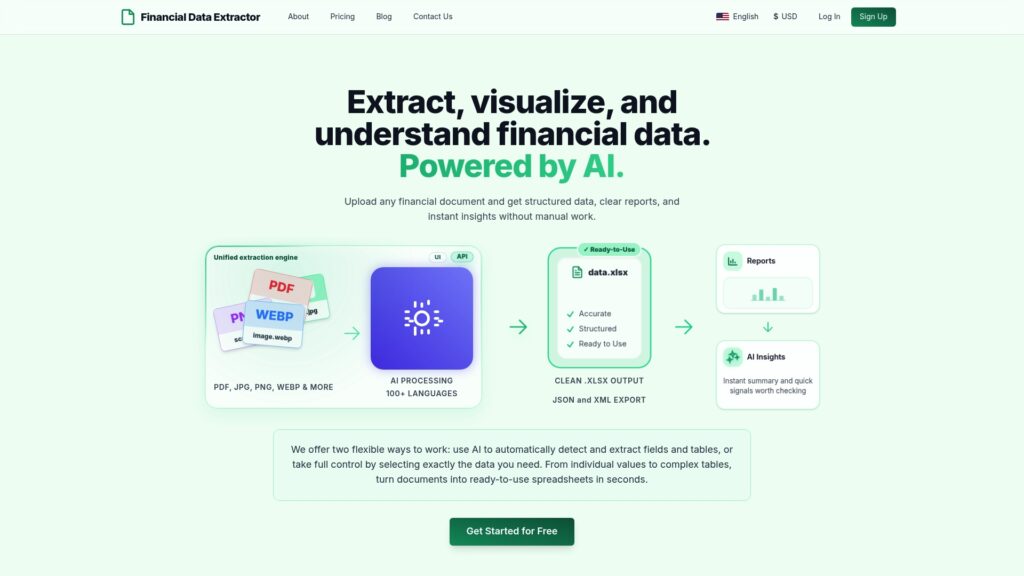
Struggling with complex legal document workflows and compliance challenges highlighted in the article “Master Legal Document Automation Workflow for Compliance” Do not let manual processes slow you down or put your organization at risk of oversight. Parserdata offers an AI-powered platform designed specifically for automating data extraction from unstructured legal, financial, and business documents. Experience how custom parsing configurations align perfectly with compliance requirements reducing errors and increasing efficiency.
Take control of your document automation journey today by exploring how Parserdata integrates effortlessly within your compliance tools and enhances risk monitoring. Visit Parserdata now to streamline your workflow and ensure real-time compliance with industry standards. Discover powerful solutions that support automated testing, validation, and performance optimization that your organization demands. Get started with Parserdata’s intelligent automation and elevate your legal document processing to the next level.
Frequently Asked Questions
What are the key steps to assess legal document requirements for compliance?
To assess legal document requirements, start by analyzing relevant regulatory standards specific to your industry. Create a checklist mapping each document type to compliance criteria, which will help identify any gaps in your existing documentation process.
How can I configure the Parserdata platform for effective legal document automation?
To configure the Parserdata platform, define custom parsing configurations by establishing lexer and parser grammar objects tailored to your document types. Upload your templates and train the system on recognizing specific data elements, ensuring compliance with regulatory standards.
How do I integrate automation tools with compliance systems?
Integrate automation tools by mapping your existing compliance infrastructure and identifying areas where automated systems can enhance monitoring. Connect the Parserdata platform with compliance tools to create automated alerts for deviations from regulatory standards, enabling proactive risk management.
What is the importance of testing and validating document extraction?
Testing and validating document extraction ensures the accuracy and reliability of your automated processing system. Implement a rigorous multi-tier validation process that combines automated testing with human oversight, to ensure compliance with legal standards and the integrity of extracted data.
How can I monitor and optimize the performance of my document automation workflow?
Monitor workflow performance by tracking key metrics such as extraction accuracy and processing speed, generating real-time performance reports. Develop a continuous improvement framework that includes regular system audits and stakeholder reviews to enhance overall operational efficiency.
Recommended
- Legal Invoice AI Automation: 8 Powerful Steps to Master (2026) – Financial Data Extractor
- Construction Invoice Automation: 8 Powerful Steps to Save $14,000 – Financial Data Extractor
- 6 Powerful Steps for Automating Data Extraction
- 6 Proven Steps for Supply Chain Data Automation in 2026 – Financial Data Extractor
Disclaimer: All comparisons in this article are based on publicly available information and our own product research as of the date of publication. Features, pricing, and capabilities may change over time.